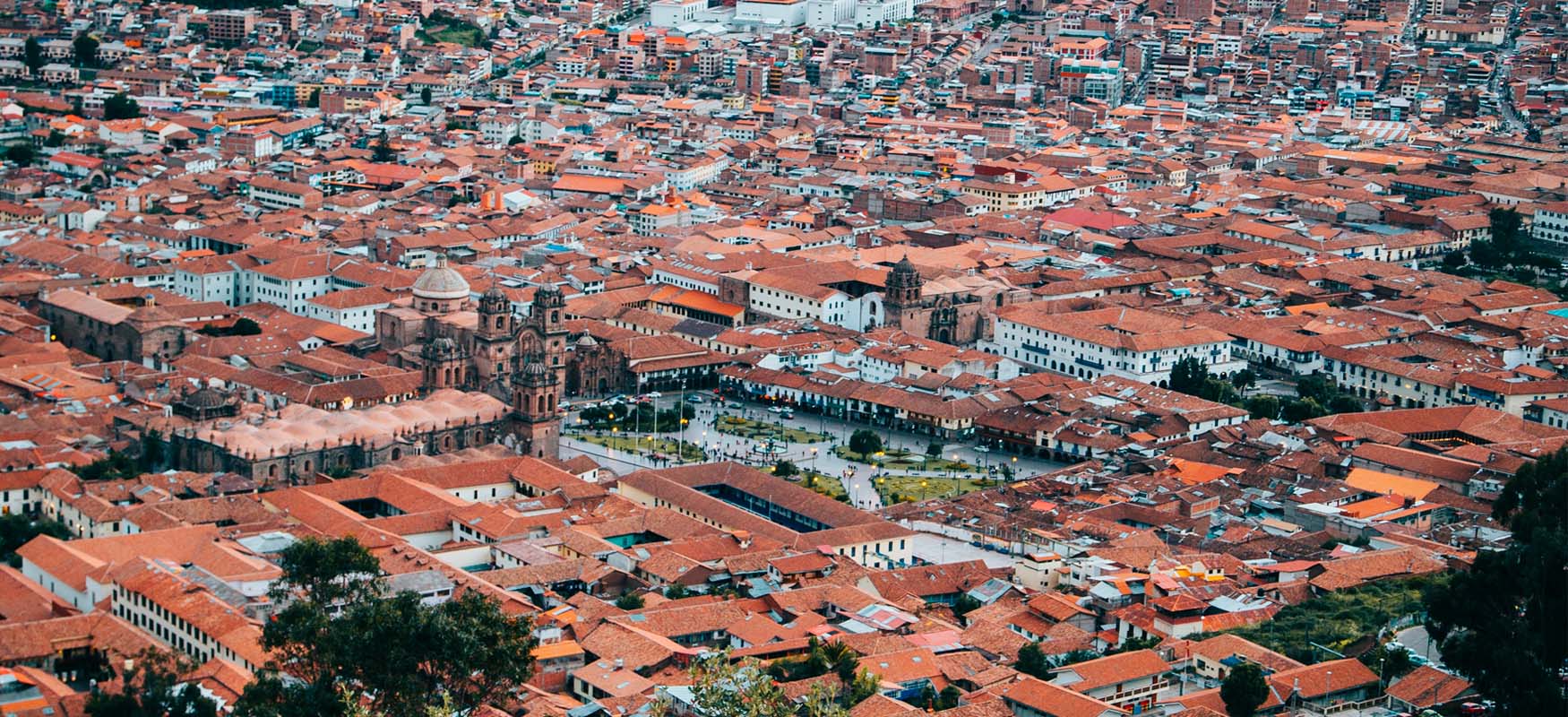
Once the capital of the mighty Inca Empire, Cuzco (also spelled Cusco) holds a unique charm that’s hard to put into words. Exquisite churches, fantastic museums, and narrow cobbled streets in the historic center merit at least a few days’ worth of exploration. Add to that stunning Inca ruins both within the city and in the surrounding hills and you’ve got a recipe for travel magic, explore our best Cusco Travel Guide
Cultural festivals throughout the year, including Señor de los Temblores, Corpus Christi and Inti Raymi, highlight the region’s mixed Spanish-indigenous heritage. They also illustrate the continual renewal of the community’s long-held Andean traditions. This fascinating and historically-rich city is sure to be one of the most memorable places you’ve ever set foot in.
Climate & Weather
The highland climate of Cusco City has two distinct seasons, rainy season and dry season. The climate ranges from temperate to chilly, throughout the year. The mountainous geography of the Cusco region has a wide variety of microclimates. Varying temperatures are usually determined by the level of elevation. The climate can be warm in the valleys, becoming humid the closer you get to the Amazon and frosty at high altitude plains. Generally, as you climb higher elevations, the temperature drops.
Rainy Season
The rainy season in Cusco is from December to March and coinciding with summer in South America. Rainstorms are unpredictable, though heavy rains are usually brief and episodic. January and February typically receive the most rainfall. Cloudy skies are typical throughout the rainy season, but you can expect a welcomed patch of sunshine on some days. Average temperatures are around 60°F (16°C) in the day and 46°F (8°C) at night.
Dry Season
The dry season is from April to November, coinciding with winter in South America. During these months in Cusco, it’s typically beautiful and sunny. The average daytime temperature is around 65°F (18°C), but if you’re in direct sunlight it can feel a lot hotter. At night, without cloud cover to create an insulation effect, the temperature dips down to a chilly 25°F (4°C).
Best Time to Visit
There are benefits to visiting Cusco during each season, as well as some drawbacks.
- The dry season is the most popular time to visit Cusco. Weather conditions in the Andes are usually sunny with a minimal chance of rain, but attractions tend to be crowded. It´s also a perfect time for hiking.
- The rainy season is a pleasant time to be in Cusco because there are far fewer tourists and crowds. However, during Semana Santa (Easter Week), a lot of Peruvians take their vacation and its more crowded than usual. Weather-related travel delays are more common, especially in January and February, when it rains the most.
Geography & Map
Cusco is located in the Huatanay valley in Southeastern Peru and surrounded by Andean peaks. The city is the capital of the province and region of Cusco. It’s the principal hub for tourism in Peru and patrons heading to and from Machu Picchu.
ELEVATION
11,155 ft (3,400 m)
POPULATION
~497,000
Pre-colonial history
The city of Cusco represents the sum of hundreds of years of indigenous and cultural fusion throughout the southern Andes of Peru. Excavations in the Cusco basin have uncovered artifacts and temples from the ancient Killke Culture dating as far back as 900 AD.
The Inca civilization began to develop as a city-state in 1200 AD, first co-existing with and then gradually absorbing neighboring ethnic groups. Inca oral traditions recorded after the Spanish conquest remember Manco Capac as the first Inca king.
Expansion of the Inca Empire did not begin until 1438, under the reign of Pachacutec-Cusi Yupanqui, whose name means “earth-shaker.” The Inca called their lands Tawantinsuyu, which spread over much of South America. They used the imperial capital of Cusco as their capital to impose political, religious, and administrative control.
The rectilinear layout of Cusco’s streets is an Incan legacy. Pachacutec ordered his subjects to rebuilt the city in the shape of a puma. The rivers Saphi and Tullumayo were canalized to control flooding and formed the outlines of the puma’s body (the rivers continue to run underground), its loins centered on Qorikancha, and its head represented by Sacsayhuaman. Sacsayhuaman overlooks the city and is built from giant stones. This area of Cusco was reserved for the elite. You can still make out areas that were designated for agriculture, artisanry, and industry.
Post-colonial history
Francisco Pizarro and Spanish soldiers landed on the shores of the Inca Empire in 1531, thus marking the beginning of the end for the Inca. For a captivating re-telling of the Conquest and collapse of the Inca Empire, join any of our tours for a comprehensive history on Inca heritage and culture.
Following the years after the fall of the Inca Empire in 1533, the Spanish took control of Cusco. Many Inca palaces and temples were toppled. However, the most interesting part of the history of Cusco, is the number of heritage buildings whose foundations are from original Inca architecture. Also, after the devastating 7.0 magnitude earthquake of 1950, the majority of Inca construction survived. The earthquake mostly turned Spanish colonial architecture to rubble. Historical buildings are now a very interesting blend of Inca foundation and the rest of the building is Spanish-style churches and Casonas. Santa Clara Monastery, the Archbishop’s Palace, and Palacio Nazarenas (formerly a convent, now a 5-star hotel) are examples of buildings with long sections of Inca walls that are on display to admire today.
Things to Do
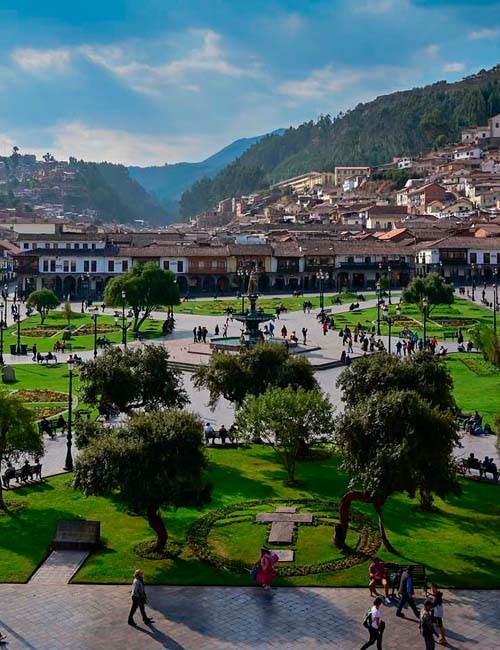
Plaza de Armas
The Plaza de Armas is the cultural heart of Cusco. In Inca times, the square was called Huacaypata, and it was the main stage for the Inca Empire’s most important rituals. It has a lot of historical significance to Peruvians because Tupas Amaru and other independence heroes were executed here. Today, the Plaza de Armas exemplifies the city’s hybrid architecture where pre-Columbian, colonial, and modern histories are layered one on top of the other. Lining the plaza are several restaurants and bars which are perfect for spending a relaxing afternoon people-watching as you adjust to the altitude.
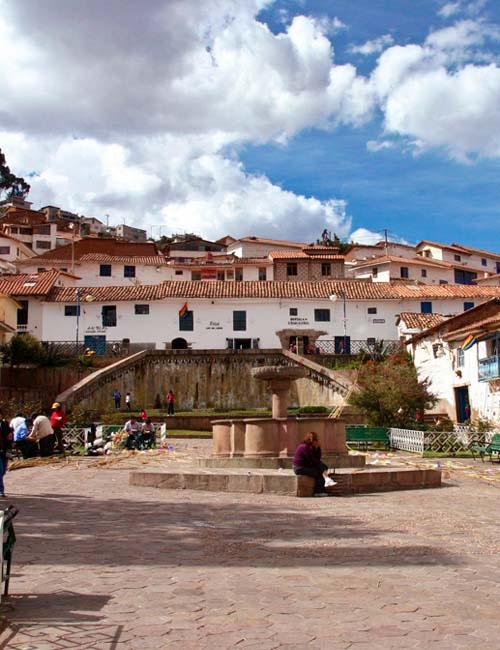
San Blas Neighborhood
The picturesque Plazoleta San Blas is home to San Blas Church and a quaint collection of whitewashed adobe buildings embellished with cobalt blue balconies and red-tiled roofs. This is the heart of Cusco’s bohemian neighborhood, which has existed as a zone for artisanry since the time of the Inca Empire. Today, it remains the preferred residence of local artists who open their workshops to visitors eager to see their religious sculptures, gold and silver metalwork, woodwork, and more.
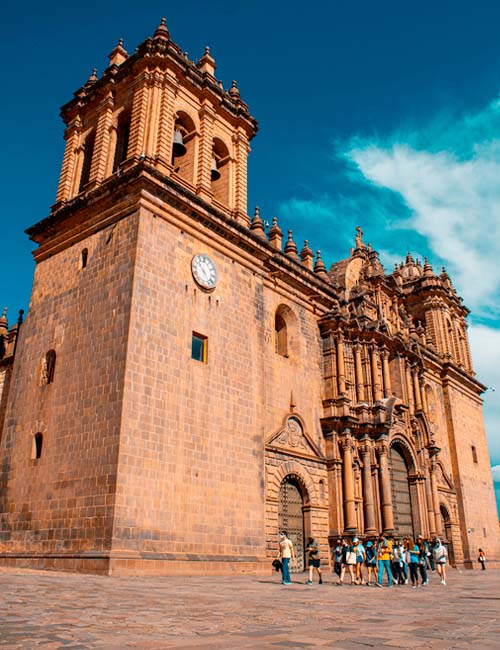
Cusco Cathedral
The history of colonial Cusco goes hand-in-hand with its churches, and none is more iconic than the Cusco Cathedral. It was built on the site of an Inca palace, using stones from that palace and Sacsayhuaman. Construction for the church began in 1560 and was completed nearly 100 years later in 1656. Inside, there are many works from the famed Escuela Cuzqueña (School of Religious Art), including a painting of the Last Supper, attributed to the native artist Marcos Zapata, which features a traditional Andean plate of cuy (guinea pig) on the table.
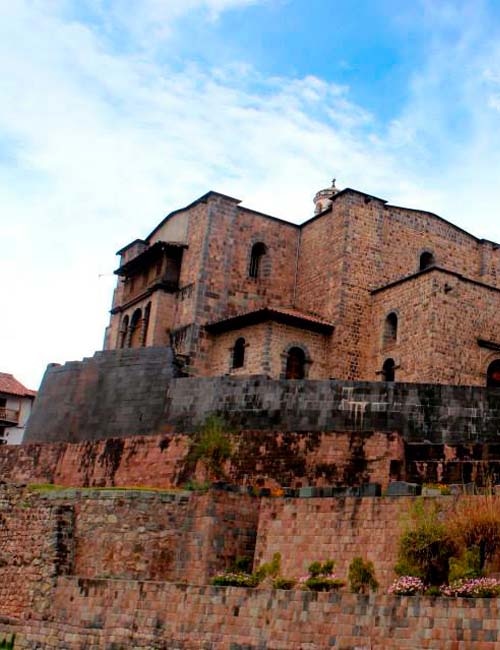
Coricancha
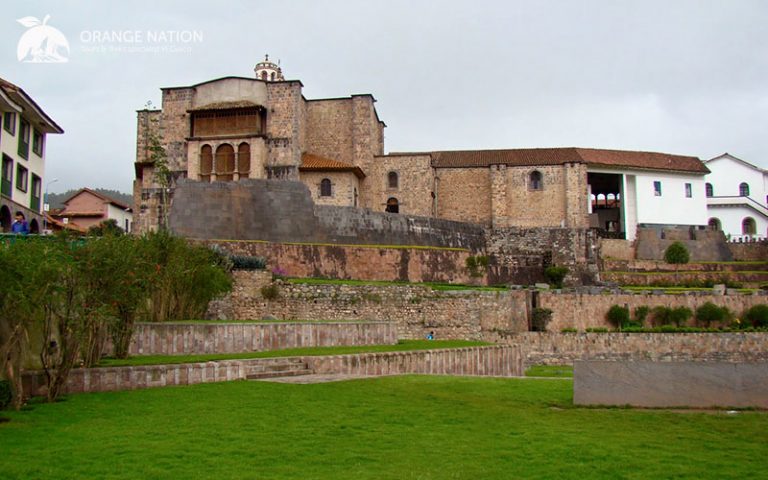
Santo Domingo Church encloses one of Cusco’s most impressive Inca ruins, the Coricancha or Temple of the Sun. According to chronicles written after the Spanish conquest, it was the largest and most opulent temple in all of South America, filled with gold, silver, and precious jewels. Inca oral traditions indicate that the temple, dedicated to the worship of Inti, the sun god, was built during the reign of Manco Capac in the 12th century atop a pre-existing temple. Beginning in 1536, Santo Domingo Church was built upon the ruins of the Coricancha, but tantalizing vestiges of the former Inca temple were kept intact. The most intriguing feature is an exceptionally well-crafted semicircular wall that’s visible from Avenida El Sol.
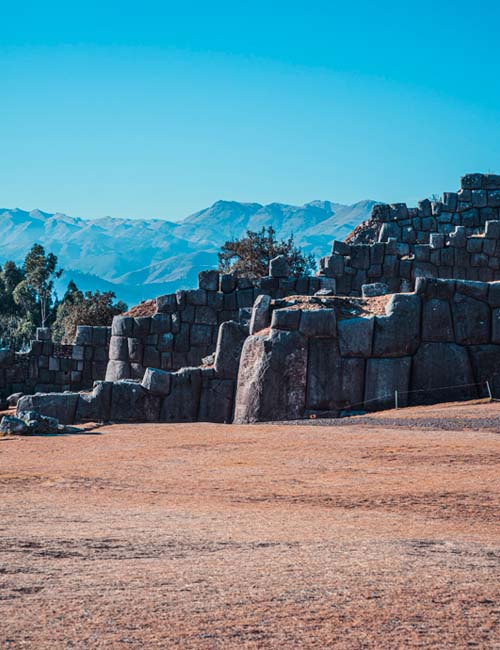
Sacsayhuaman
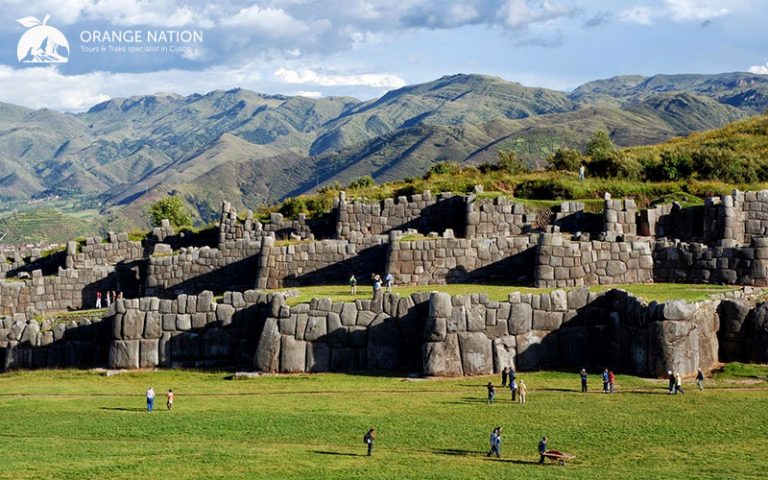
The Sacsayhuaman ruins are on a hill overlooking Cusco. It rises in front of a vast esplanade the length and width of four football fields. The original Inca-built walls were 10 feet (3 meters) taller. On the topmost platform were three circular towers. The gargantuan scale of Sacsayhuaman’s zigzagging, terraced walls will make your jaw drop, even more, when you realize they represent just a fraction of the original site.
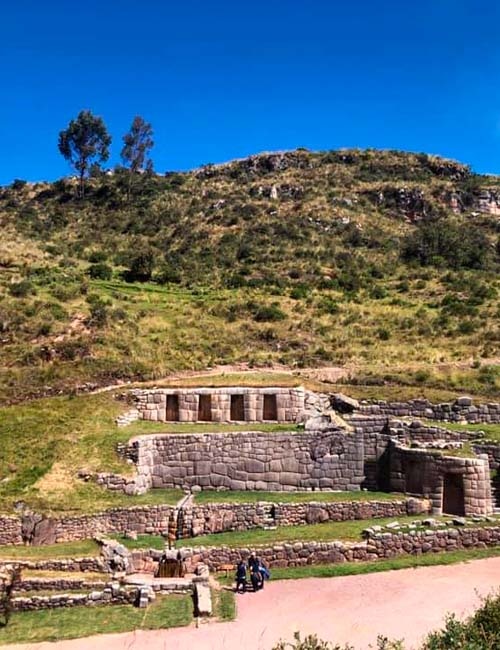
Tambomachay
Tambomachay is known as “The Bath of the Ñusta (Inca Maiden)” or just the “Inca Baths.” The site was built around 1500 AD and consists of four levels of terraces built into the side of a hill. From the top platform, an underground spring emerges from a hole and cascades down the terraces through finely carved channels. On the last level, the channel splits into two streams that then pour into a stone basin. This exquisite example of Inca hydraulic engineering is a prelude to the sixteen fountains you’ll see at Machu Picchu.
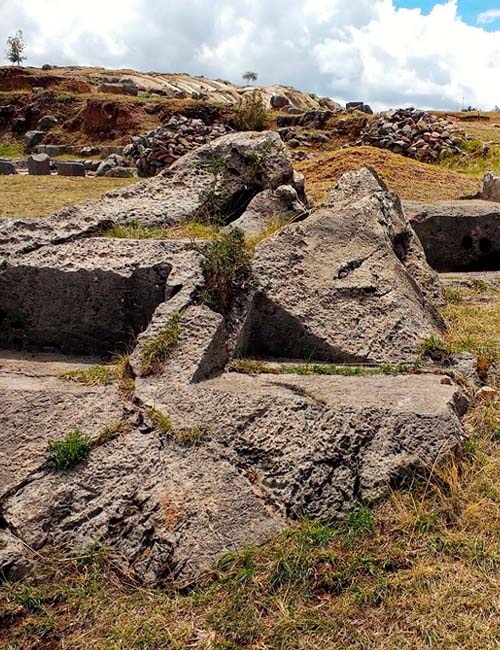
Qenko
Qenko is an example of a huaca, a naturally occurring rock formation modified into a temple. These holy places can be found everywhere in the Andes, and many of them have been used for millennia. Qenko is remarkable for its size and the intricacy and quantity of its carved features. On the ground level, a tunnel leads into a natural chamber. The cave’s sides and surfaces were polished into walls, niches, and a table. A shaft of light enters through a crack in the rock wall and is said to illuminate the table on full moon nights.
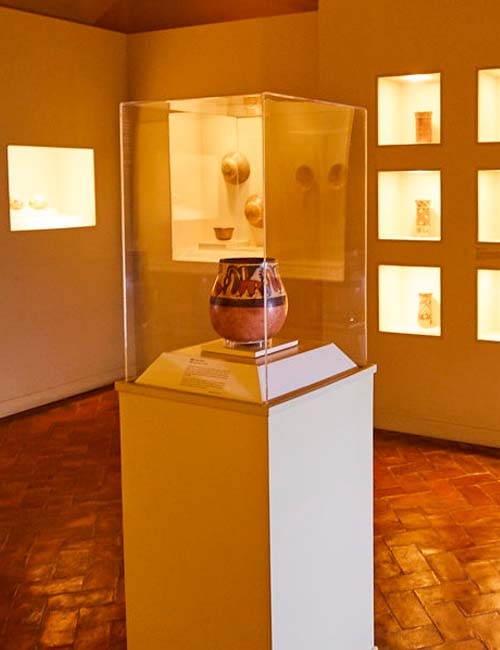
Museum of Pre-Columbian Art (MAP)
Museo de Arte Precolombino occupies a beautiful colonial house and displays nearly 400 pieces borrowed from the extensive repository of the Larco Museum in Lima, considered one of the most excellent museums of pre-Columbian culture in the world. The collection includes artifacts spanning nearly three millennia of Peruvian history (1250 BC to 1532 AD) and from diverse pre-Columbian cultures including the Nazca, Mochica, Huari, Chancay, and Inca. Visit the MAP Café, located in the courtyard, to enjoy a gourmet lunch or dinner in an elegant setting.
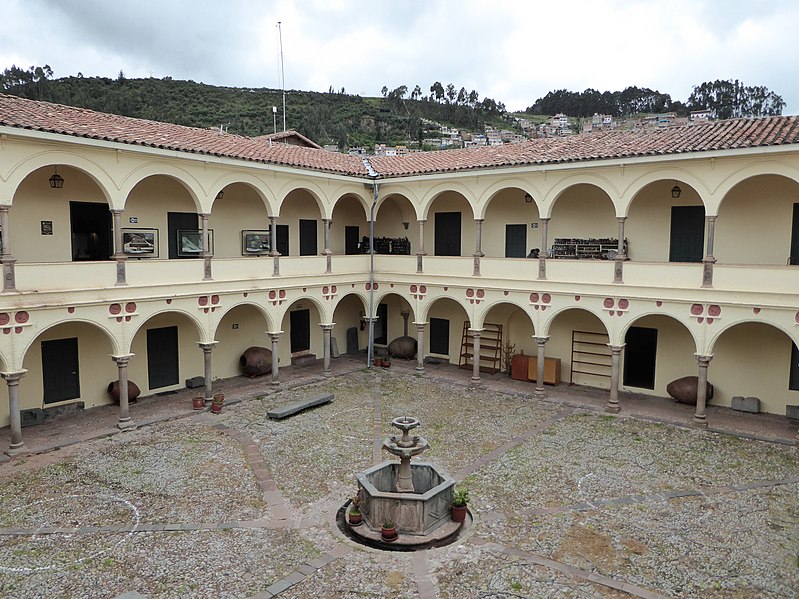
Inka Museum
Museo Inka showcases the history of the Inca civilization through various displays of ceramics, textiles, mummies, jewelry, qeros (drinking vessels), and more. Learn about the mythical origins of the Inca Empire, the history of pre-Inca and Inca settlement in and around Cusco, and the different ecological zones from the jungle to the high altitude plains that were connected by ancient trade networks.
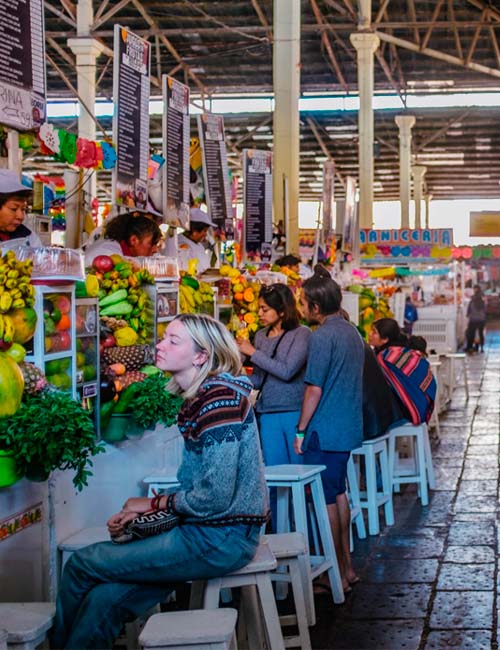
San Pedro Market
Mercado de San Pedro has gained popularity with foreign visitors, but the market continues to be an excellent way to observe daily life at the market in Cusco. Among the sights you’ll see are locals eating lunch at their favorite kiosk and food stalls. The vendors sell an eclectic mix of souvenirs, including alpaca sweaters, embroidered cups and ponchos. They also have ethnic super grains, wheels of cheese and carts with fresh fruits and vegetables. Basically, San Pedro Market has it all. Best part is that it´s clean and the crowds never get overwhelming.
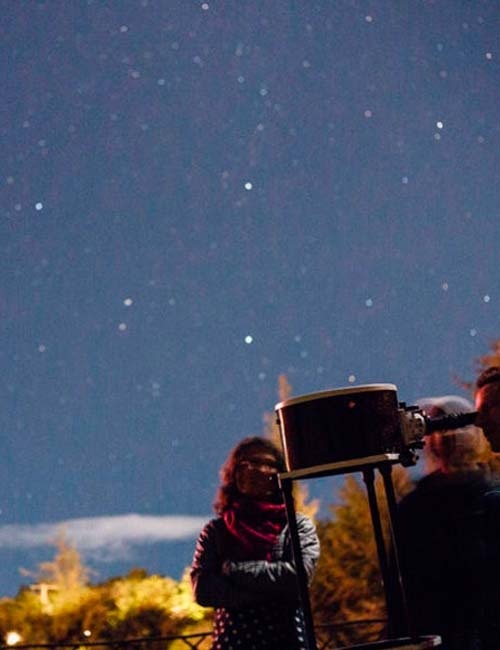
Cusco Planetarium
The Inca Empire placed profound importance on astronomy. The observations they made in their natural environment, like those up in the sky, were deeply rooted in their spiritual beliefs and day-to-day activities. A visit to the Planetarium Cusco is an opportunity to learn about Inca constellations and the southern night sky. If the weather permits, you can observe the star studded sky over Cusco through a telescope. The planetarium is a family-run project located in an Andean style house with adobe walls up in the surrounding hills next to Sacsayhuaman about a 10-minute drive from the Plaza de Armas.
Note:
The Cusco Tourist Ticket (or boleto turístico del Cusco) gives you access to a variety of Inca ruins and museums. The popular Full Ticket is valid for ten days and includes entry to sixteen attractions, including Sacsayhuaman, Qorikancha, the Museum of Pre Columbian Art, and many more. Also included are archeological sites in the Sacred Valley, exclusing Machu Picchu.
Restaurants
Cusco has a booming restaurant scene offering both local delicacies and international classics. Here are some of our favorite places to dine out in the Cusco and sample the range of Peruvian cooking.
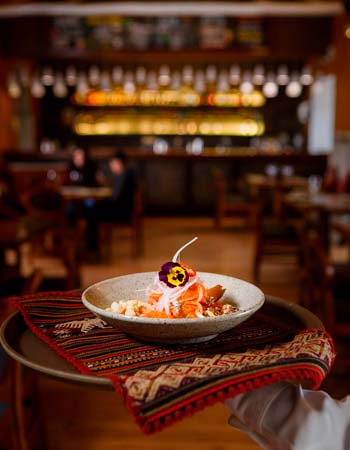
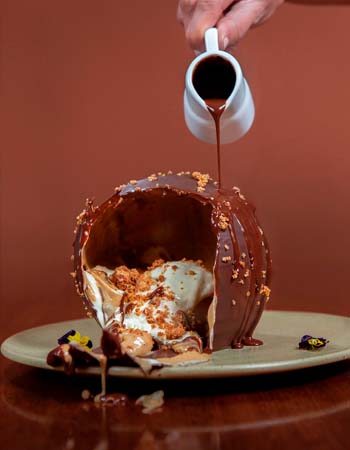

Chicha
Chicha is the restaurant of Peru’s celebrity chef Gaston Acurio. The extensive menu includes many enticing regional foods, but pay extra attention to the section dedicated to Cusquenian dishes. Top your lunch or dinner at Chicha with a dessert called Chocolate Balloon with baked apples covered in caramel moose, ice cream, and toasted almonds.
Location: Plaza Regocijo 261, 2nd floor, Cusco
Cicciolina
Cicciolina is on the second floor of a restored colonial home around the corner from the Cusco Cathedral. This charming restaurant serves an inventive menu of international favorites and Novo Andino (New Andean) dishes. Lamb Ragu and Causa de Cuy are among a long lineup of recommendations.
Location: Calle Triunfo 393, 2nd floor, Cusco
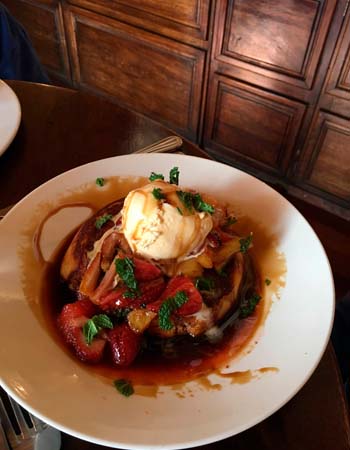
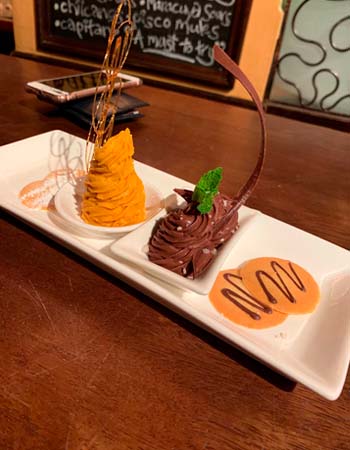
Pachapapa
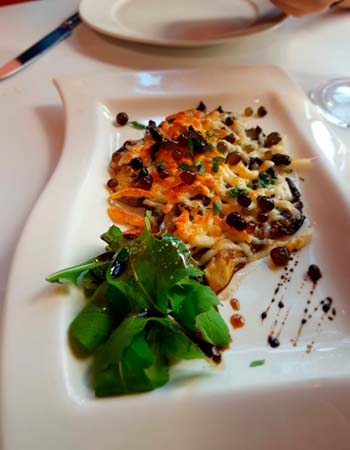
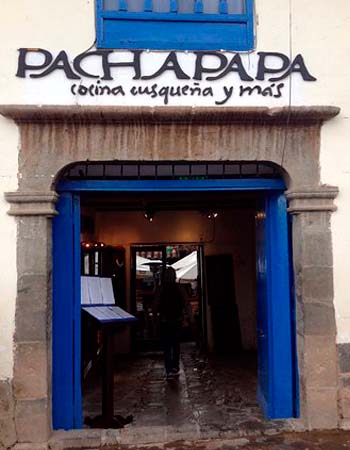
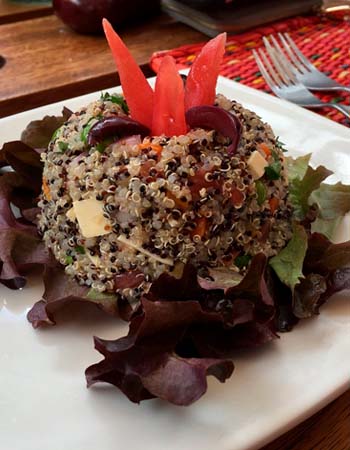
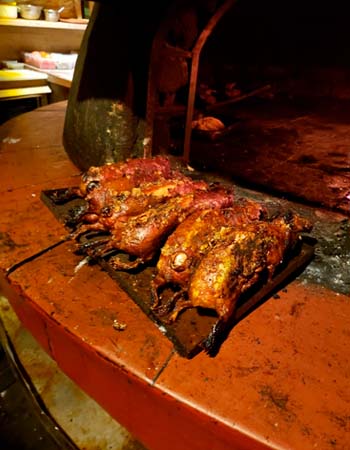
Pachapapa is an excellent spot to come for a cozy, sitdown meal in San Blas. Enjoy Peruvian classics, like aji de gallina, and hearty lamb, steak, and chicken dishes, as well as some Italian options. If you sit out on the restaurant’s interior courtyard, you can see your made-to-order pizza or calzone emerge from the wood-fired oven.
Location: Plazoleta San Blas 120, San Blas, Cusco
Limo
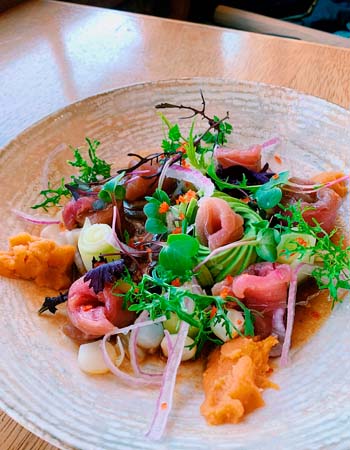
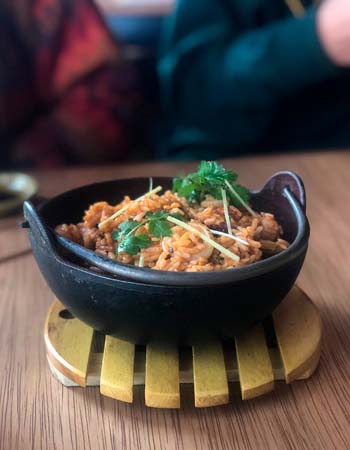
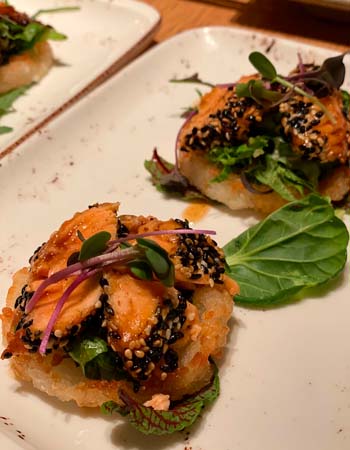
Limo specializes in Peruvian-Japanese cuisine (called Nikkei) and delicious pisco cocktails. In addition to a full sushi bar and ceviche, Limo offers non-seafood Peruvian favorites like arroz chaufa (Peruvian-Chinese fried rice), alpaca steak, pork adobo, and more. Ask for a table by a window overlooking the Plaza de Armas.
Location: Portal de Carnes 236, Plaza de Armas, Cusco
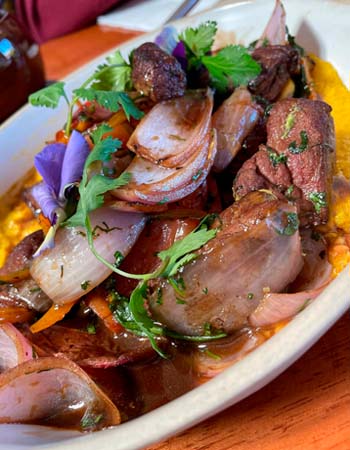
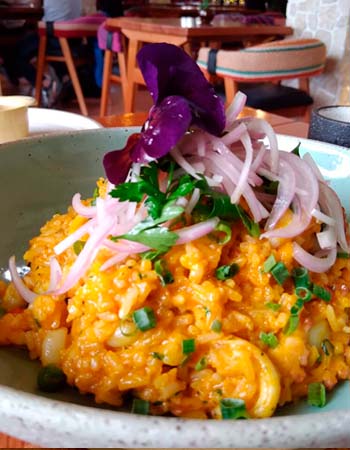
Morena Peruvian Kitchen
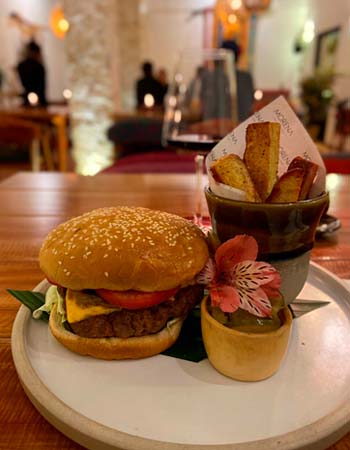
Morena Peruvian Kitchen serves generous portions of traditional Peruvian cooking with a modern twist. Try classic dishes like chicharron (deep-fried pork) and lomo saltado, and one of the fresh smoothies or juices. The contemporary restaurant is perfect for a casual lunch or dinner.
48-B Calle Plateros, Cusco
Cultural Events
In modern-day Cusco, whether it’s the processions of Easter Week or the Inca celebration known as Inti Raymi, no public event is complete without performances of folkloric music and dance that recall the oldest traditions of the Andes and hundreds of years of Peruvian history.
January – New Year’s Eve
When: Dec 31 – January 1
Christmas and New Year’s Eve in Cusco is an exciting time. For New Years, thousands of locals and foreigners pack the Plaza de Armas. After the clock strikes midnight, fireworks go off and a wild outdoor party ensues.
February – Cusco Carnival
When: moveable dates (40 days before Easter Sunday)
A city-wide water fight breaks out on the first Sunday of Carnival, and any person out on the street is a potential target for drenching, and in the spirit of Carnival, anything goes.
March / April – Semana Santa (Easter Week)
When: moveable dates
Events throughout Semana Santa in Cusco provide a remarkable example of how Catholic observances are infused with Andean elements. The week begins with a procession for Taytacha Temblores or “Lord of Earthquakes,” one of Cusco’s revered patron saints, and concludes with eating twelve typical dishes said to represent the twelve apostles. Learn more about celebrating Easter in Cusco and around Peru.
May / June – Qoyllur Rit’i
When: moveable dates Sunday – Tuesday
Ascension Day, the same week as Corpus Christi)
Qoyllur Ri’ti, or the Snow Star Festival, is an amalgam of old and new, but with Andean symbols and practices playing a central part. For the festival, an estimated 10,000 pilgrims from Andean villages arrive at Sinakara chapel at the base of the Ausangate.
June – Corpus Christi
When: moveable dates (nine weeks after Easter Thursday)
Corpus Christi is a visually stunning procession of the patron virgins and saints from Cusco’s different neighborhood churches. Approximately 50,000 people gather on the Plaza and surrounding streets to watch this holy tradition.
June 24th – Inti Raymi
When: June 24 (each year)
Inti Raymi is a paramount festival in Cusco that honors the Inca sun god, Inti. The main procession event takes place on June 24, but the days before and after are also filled with festivities.
July 28th and 29th – Peru’s Independence
When: July 28 – 29 (each year)
The date of Peru’s independence is celebrated with great fervor throughout the country. In Cusco, you’ll see the red and white flag waving everywhere. There are daytime parades and folkloric dance performances and fireworks at night.
December 24th – Santurantikuy Fair
When: Dec 24 (each year)
The Feria de Santurantikuy is a unique Cusco tradition where people come to buy and sell objects and adornments for nativity scenes in the Plaza de Armas. Artisans from around Cusco and from as far away as Puno come to display their wares rendered in techniques ranging from silver and tinwork to embroidery.
The best tours in the imperial city of Cusco
 1 day
1 day
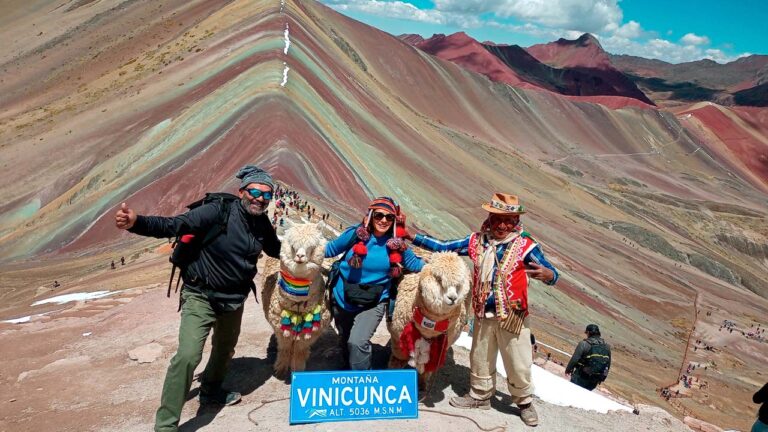
Rainbow Mountain Trek 1 day
- Max. altitude: 4326
- Group size: 8
 Half day
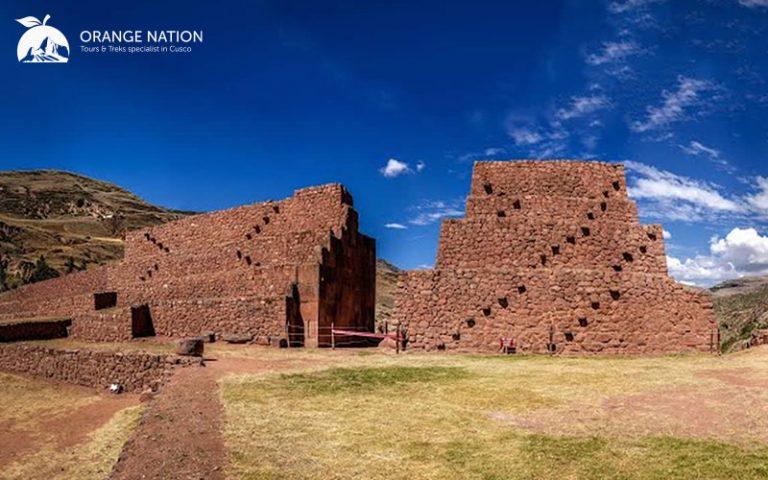
South Valley Tour: Tipon, Piquillacta and Andahuaylillas
- Max. altitude: 3500
- Group size: 8
 1 day
1 day
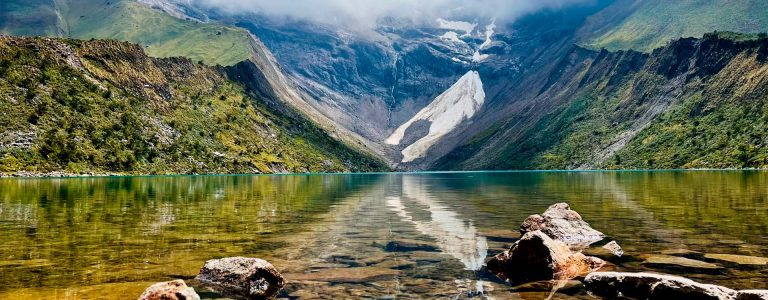
1 Day Humantay Lake Tour
- Max. altitude: 3869
- Group size: 8
 Half day
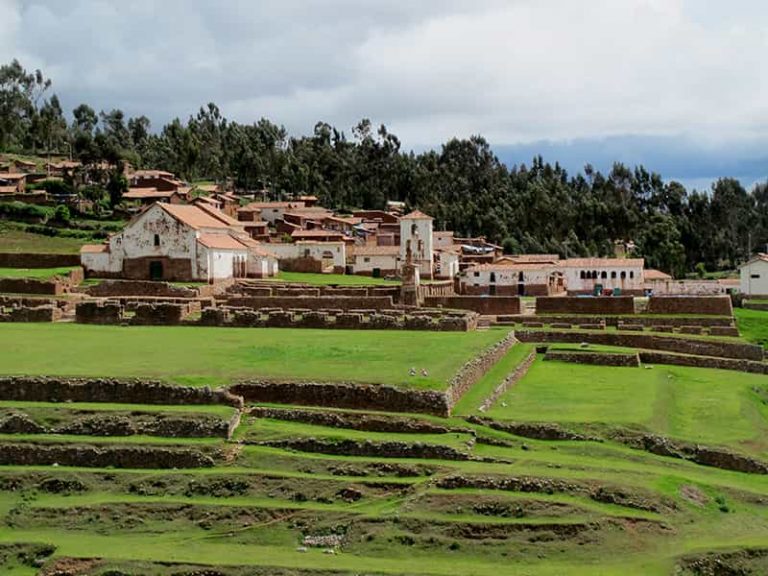
Tour To Chinchero, Moray And Salt Mines Half-Day
- Max. altitude: 3400
- Group size: 8
 1 day
1 day
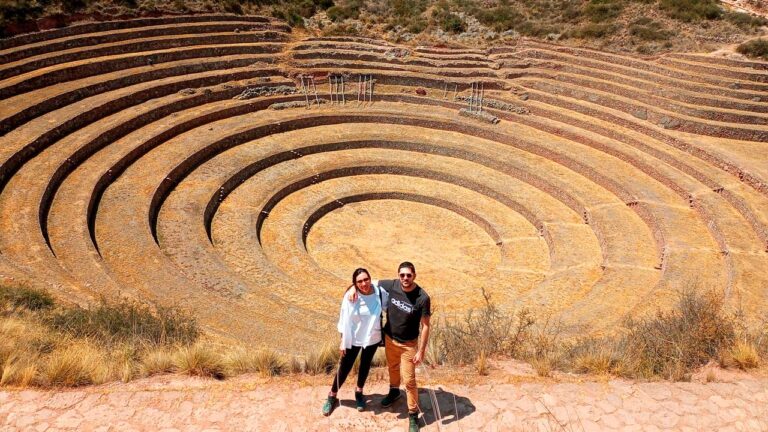
Sacred Valley Tour with Moray and Salt Mines Included!
- Max. altitude: 3400
- Group size: 8
 1 day
1 day
Cusco City Tour Half Day
- Max. altitude: 3400
- Group size: 8
 1 day
1 day
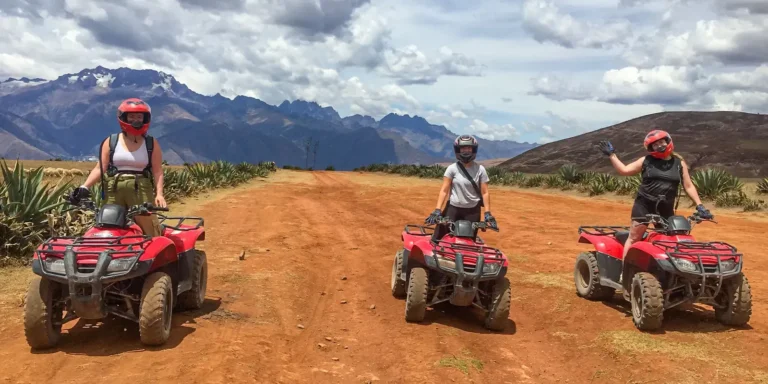
SACRED VALLEY + ATV TOUR (Pisac + Moray + Maras + Ollantaytambo)
- Max. altitude: 2792
- Group size: 8
 1 day
1 day
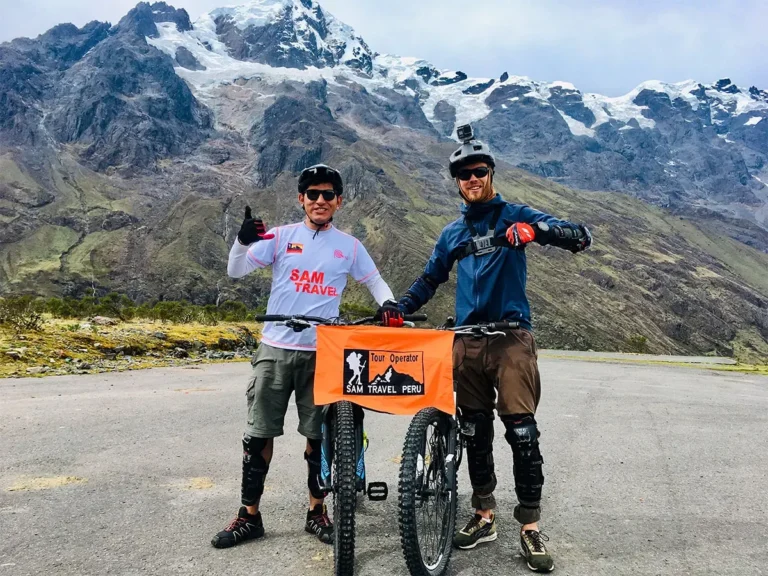
Mountain Bike tour to Moray and Maras Salt Mines Day Tour
- Max. altitude: 2730
- Group size: 8
 1 day
1 day
Sacsayhuaman and Pisac 1 Day Tour
- Max. altitude: 3700
- Group size: 8
Travel Tips
Plan Ahead
Traveling to Peru in the peak season (June, July, August) requires a lot of planning several months in advance. This includes booking hotels in Cusco and Aguas Calientes (Machu Picchu), flights to/from Cusco, train tickets to/from Machu Picchu, Huayna Picchu tickets (limited to 400 and sell out weeks in advance) and Inca Trail permits if applicable.
Altitude Sickness
Altitude sickness is a common health concern for travelers arriving in Cusco. Acclimation varies widely by individual, but many people adjust within 24 to 48 hours. Minor symptoms include headache, fatigue, insomnia, and loss of appetite. Severe reactions to high elevations are rare and hard to predict.
Before you travel, ask your doctor about medications to prevent altitude sickness. During your stay in Cusco, keep hydrated, avoid heavy meals, and try the local remedy, coca leaf tea. If you’re planning to trek to higher elevations, plan to spend a few days acclimating in Cusco before beginning the journey.
What to Pack
Cusco day excursion checklist:
- Bring a daypack with snug straps
- Carry a bottle of water and stay hydrated
- Camera or phone with charged batteries
- Sweatshirt or jacket in case the temperature cools off
- Extra soles to purchase any souvenirs that grab your attention or for tipping (at your discretion)
Dry season packing suggestions:
- Wear light, comfortable clothes while you are out touring. Long-sleeve shirts and pants are recommended for extra protection from the sun.
- Bring a wide brim hat, sunglasses, and sunblock. The sun is quite intense at Cusco’s high elevation.
- Pack a cozy fleece or jacket. Temperatures in Cusco change drastically from day to night, especially during the peak dry season from June until August. If you need extra warmth, buy a handknit hat, mittens, and scarf at Mercado de San Pedro.
Rainy season packing suggestions:
- Wearing the right clothes to stay dry can make the difference between an enjoyable experience and a wet, miserable one. Stick to wearing jeans indoors, and opt instead for long pants made of synthetic, quick-drying fabric while outside in the rain.
- Pack an umbrella to using during day tours. Or, if you prefer, wear a rain poncho.
Best Place to Stay in Cusco
The best area to stay in Cusco is in the historic downtown, which has countless restaurants, museums, Inca ruins, and other top attractions within easy walking distance. Some of the city’s most charming hotels are an uphill walk from the Plaza de Armas in the San Blas neighborhood, which might not be the best option for anyone with physical limitations or concerned about overexerting themselves in the high elevation. Cusco accommodation ranges from backpacker party hostels, AirB&B, and comfortable hotels that include complimentary breakfast. Check out our preferred places to stay in the Hotels section above.
Getting Around Cusco
Walking is the best way to get around the historic center of Cusco. You can stroll from one side of the historic center to the other within 15 to 20 minutes. Around the Plaza de Armas you’ll find Cusco’s top attractions, restaurants, and nightlife options. The area around the main plaza is mostly flat, but the streets become steeply inclined when you walk toward the San Blas, San Cristobal, or Santa Ana neighborhoods.
How to Get from Cusco to Machu Picchu
Cusco is a 4-hour train trip from the Machu Picchu Station in Aguas Calientes. To catch the train in Cusco, you need to drive to the Poroy Station about 20 minutes from the city’s Plaza de Armas.
Travelers can also trek to Machu Picchu. Trekking packages are arranged so that you are picked up from your hotel in Cusco and then driven to the trailhead in the Sacred Valley. The iconic 4-day Inca Trail starts from KM 82 along the railway tracks in the Sacred Valley and is a 27 mi (44 km) journey on foot all the way to Machu Picchu’s Sun Gate.