$127

Hello! Click on one of our members below to chat on Whatsapp
1 day
3400 M.S.N.M
8 person(s)
Group
Cusco was the capital of the Inca Empire called Tawantinsuyu and is a living museum overflowing with our country’s history and culture. You can see the different stages of history from ancient times to the conquest up to modern days. There are numerous archeological sites, Cathedrals, museums, night clubs in the social scene and many shops to explore. Cusco is the most important tourist destination in Peru as it is the gateway to the Sacred Valley and Machu Picchu, not to mention a lot of fun!
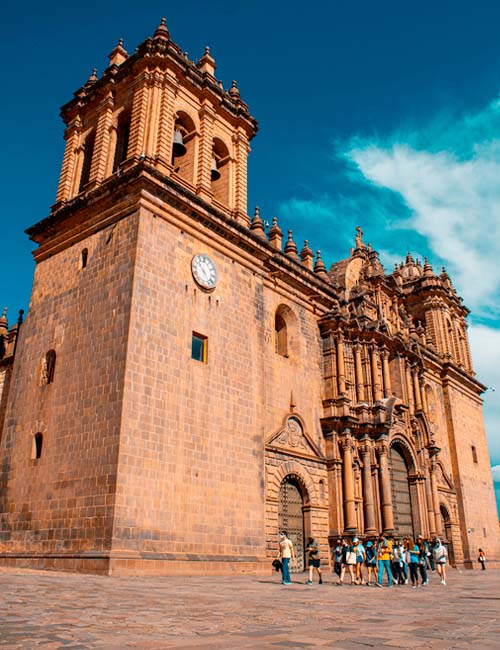
Visit the most interesting sites in and around Cusco such as the Cusco Cathedral, the Koricancha, which was once filled with gold until plundered by invaders, Sacsayhuaman fortress and its military Inca architecture, and the archaeological sites of Q’enqo, Puca Pucara and Tambomachay!
In the morning (9 am) or afternoon (1pm)
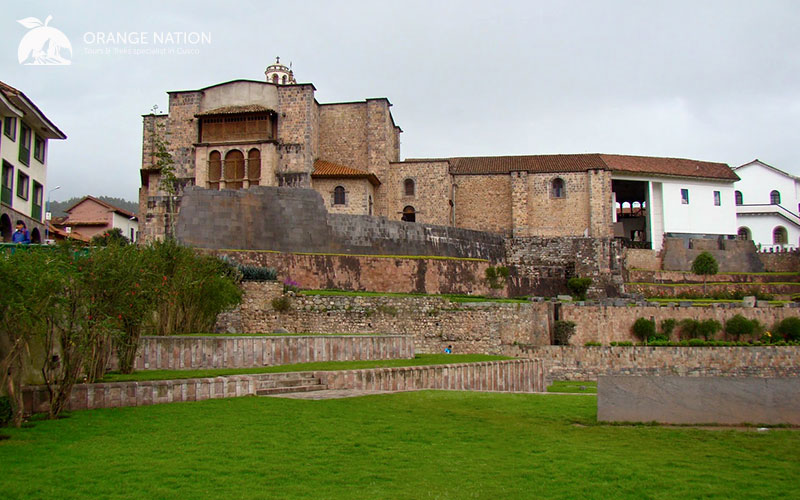
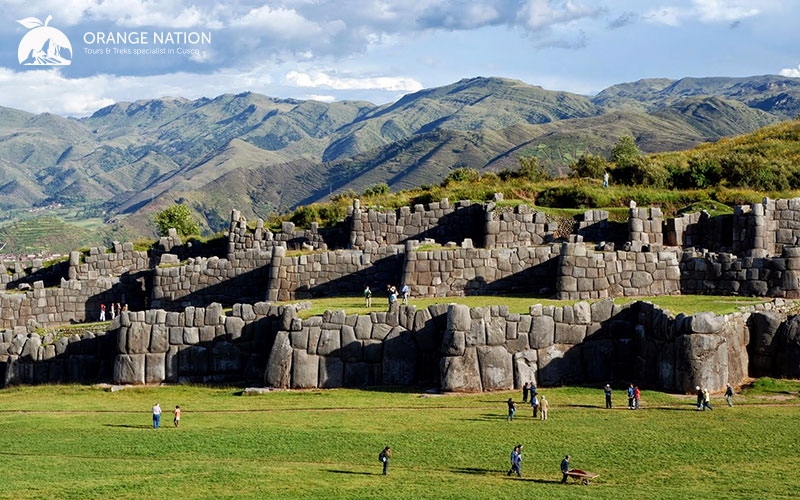
In the morning or afternoon, tour the Imperial City of Cusco, a living museum with a mix of Andean and Spanish cultures. Visit Koricancha, the ancient Inca Palace and the main worship center of the Sun Inti, which was once filled with gold until plundered during the conquest. The tour continues to the unmatched archeological site of Sacsayhuaman fortress and its military Inca architecture, which dominates the city and is constructed with 100 ton boulders, the heaviest being 128 tons. No nearby quarry matches these stones and archeologists do not agree on how they were transported here! Finally, we explore the archeological sites of Q’enqo, Puca Pucara and Tambomachay before heading back to your hotel in Cusco by early evening.
The convent was built on the spectacular Koricancha ‘Field of gold’. This was the most important temple dedicated to the worship of the Sun and the walls of which were lined with solid sheets of gold. All that remains now is the fine stonework because conquistadors took the gold and destroyed most of the temple to build the convent on top. Koricancha was also an observatory, where priests kept track of major celestial events. Today, some of the original architecture has been restored and it also houses an impressive collection of canvas paintings from the Cusco School of Art.
Sacsayhuaman (which means ‘satisfied falcon’) is one of the most impressive sites built by the Incas. It is generally referred to as a military fortress. The stones in the wall are incredible and the largest one weighs 128 tons, with no clear explanation on how they come to be at the site. The Incas designed Cusco in the shape of a puma, with Sacsayhuaman as the head. Sacsayhuaman is still used today for the Inti Raymi festival held to celebrate the winter solstice on the 24th of June.
The site of Q’enqo (meaning ‘maze’ in Quechua) contains very impressive hand-carved sections of bedrock. There are carvings everywhere, although some are very indistinct, such as a llama, a condor and snakes have been identified. There are many zigzag channels on top of the natural rock, probably used for pouring sacrificial chicha (a local fermented beverage made from corn). Below the rock, there are a number of caves and passageways, and an altar which was used for the sacrifices of llamas. Mummifications of buried people have been discovered by archeologists in these caves!
Puka Pukara is translated to ‘the red fortress’ in Quechua. This is a small site and although the name suggests that it was a fortress, it does not appear to have had any defensive purpose. Archeologists theorize that it could have been used to protect the water source at Tambomachay.
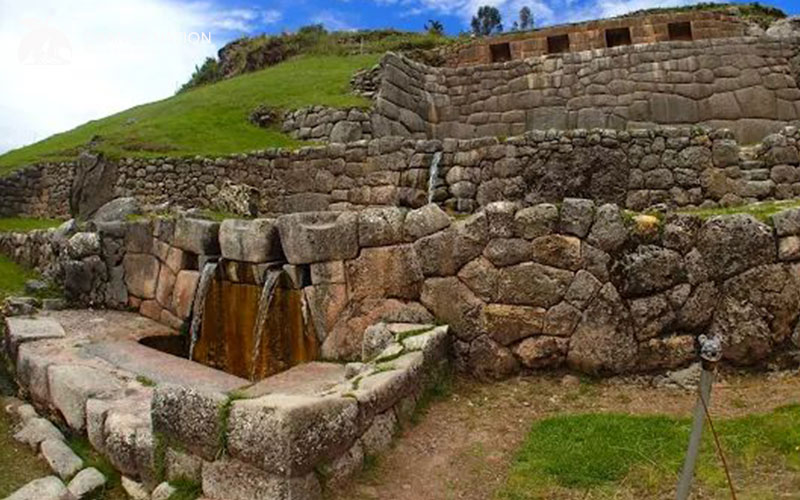
The name means “place of rest” in Quechua. It was the royal home of the Inca Yupanqui when he went to hunt in the surrounding area. This site was also thought to have been used as a Temple to the Water. There are some interesting aqueducts, canals and cascades sculpted out of stone, designed to channel water flowing from a nearby stream.
Please Note: The Cusco City Tour is only offered to our clients doing at least a 2-day tour or trek to Machu Picchu.
| No. OF PEOPLE | PRICE |
| Group from 1 to 6 people | $ 127 USD for the total group (not per person) |
| Group from 7 to 12 people | $ 157 USD for the total group (not per person) |
ENTRANCE FEES
The partial ticket, or 1-Day ticket costs 70 soles (about $20 USD) and is valid for 1 day. You can visit as many sites as you like in one day with no further charge. There are no discounts with this ticket.
Both tourist tickets, 1-day or 10-day, allows the access to different archeological sites in and around Cusco, the Sacred Valley, various museums in Cusco, the Main Cathedral, the Qoricancha and more. This is the best way to visit all the archeological sites of the region and the Sacred Valley. Most of the main archeological sites are not accessible for free.
The general ticket, or 10-Day Ticket is 130 soles (about $35 USD) and is valid for 10 days. This is the cheapest and most convenient way to plan to see different sites in a few days.
Here is a list of sites where you can use your Boleto Touristico:
Note : The entrance ticket to the main archeological sites such as Sacsaywaman, Pisac, Ollantaytambo, Chinchero, Tipón and Moray cannot be sold individually; you must buy the Boleto turístico to visit them. You can get it in Avenida el Sol near our office or at the time you enter the first site that you are visiting. YOU MUST PAY IN SOLES, NO CREDIT CARDS OR US DOLLARS ARE ACCEPTED.
Important: These tickets are not included in the Boleto Turistico.
$127
Price
per person
Max. Altitude:
3400
Duration:
1 day
Group Size:
8
Transportation:
Hike, Bus, Train
Please fill in our BOOKING FORM carefully with your correct personal details.
 1 day
1 day
Price from 89 / por person
View Itinerary 1 day
1 day
Price from 0 / por person
View Itinerary 1 day
1 day
Price from 150 / por person
View Itinerary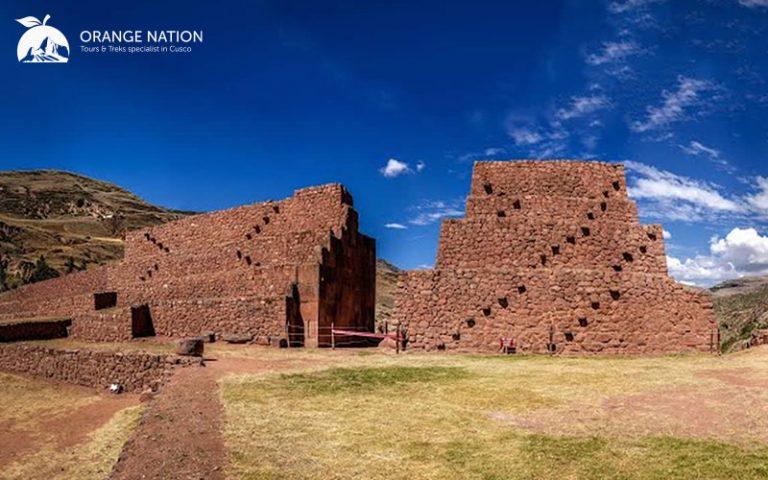 Half day
Price from 147 / por person
View Itinerary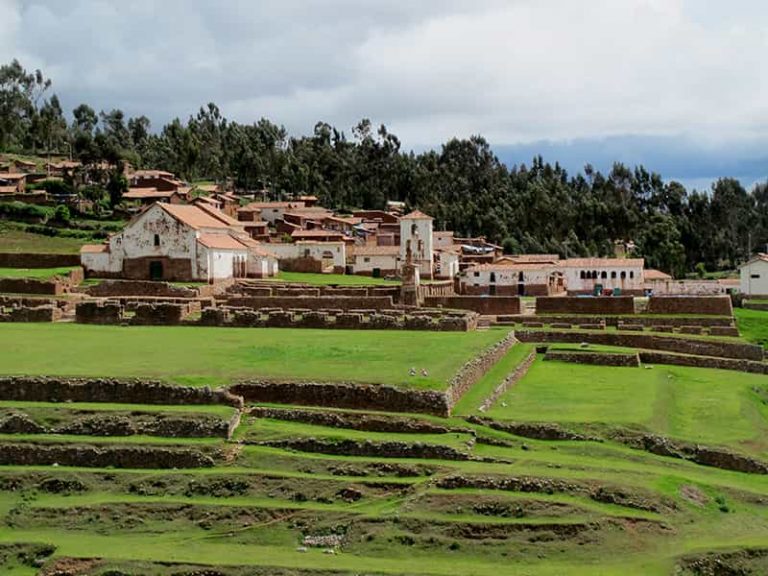 Half day
Price from 175 / por person
View Itinerary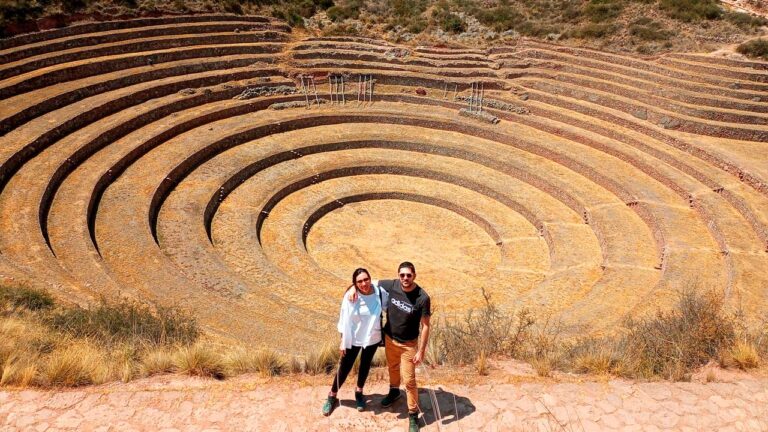 1 day
1 day
Price from 45 / por person
View Itinerary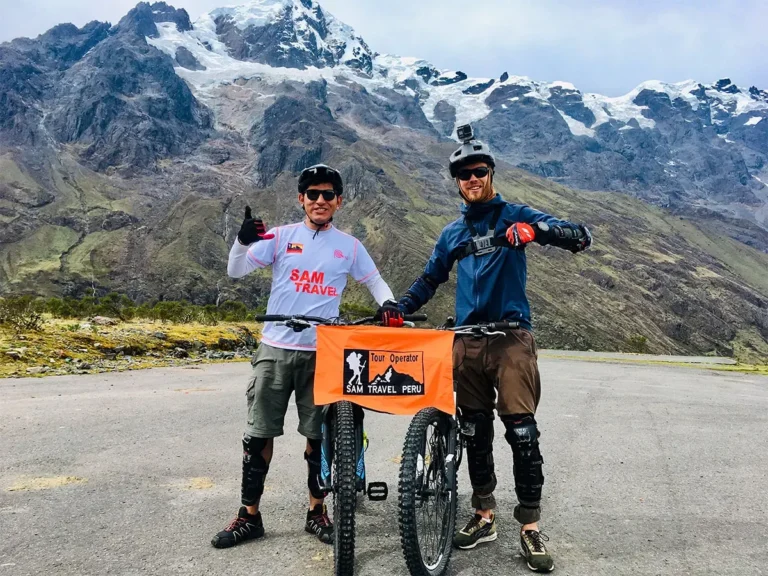 1 day
1 day
Price from 57 / por person
View Itinerary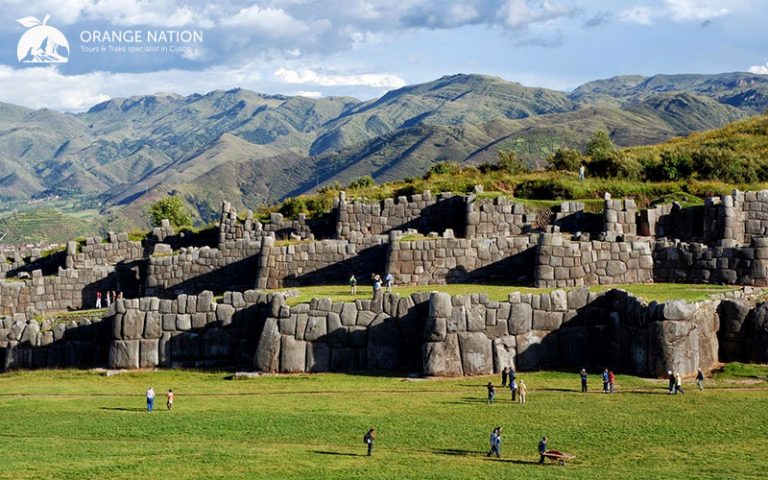 1 day
1 day
Price from 179 / por person
View Itinerary 1 day
1 day
Price from 97 / por person
View Itinerary 1 day
1 day
Price from 70 / por person
View ItineraryDiscover why thousands of people around the world trust us to explore the best of Peru.

Couples
Trip to Rainbow mountain. First to the mountain thanks to Yair’s expert driving and special thanks to Cristian for being my guide. Highly recommend!
Written July 2, 2025

Family
We had an incredible experience hiking the Inca Trail with Ray as our guide. Ray was amazing. He was super knowledgeable about the history of the Incas, and he brought that history to life. We visited three larger sites, and several smaller ones that we arrived at by foot deep in the Peruvian jungle. Ray's was an incredible, passionate, and experienced guide, and also just a great person we are lucky to have met. I also have to mention Moses, our porter who made an amazing lunch and hiked it up to our resting spot 2000 ft above the Urambamba River to Wiñaywayna.
Written July 4, 2025

Family
Did the short inca trail through sam travel and it was an unforgettable experience. Hiking from the train to the Sun Gate with its beutiful views of macchu piccu was incredible. Our guide, Ray, was extremely knowledgeable, passionate, and always positive. At every location and along the way he had fascinating information to share and no question went unanswered.
Written July 4, 2025

Family
We had a great experience with our guide Cristian during our visit to the Sacred Valley and Machu Picchu. He shared clear and detailed explanations, with a fascinating historical narrative that helped us truly connect with the places we explored. I learned so much thanks to him. The atmosphere was also really positive and friendly throughout the tour. Highly recommended!
Written June 26, 2025